signs of kidney failure- its symptoms, causes, complications and treatment
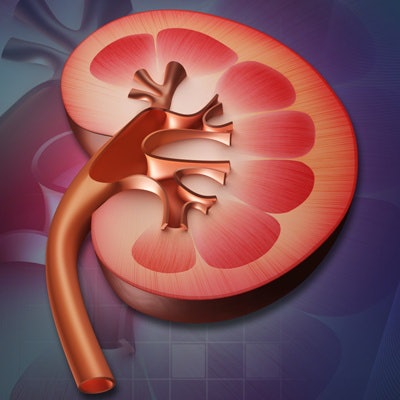
Kidney Failure: Causes, Symptoms, Diagnosis, Treatment & What Really Happens in the Hospital
Kidney failure is not just a medical diagnosis — it’s a moment that can turn a person’s life upside down. For many people, it begins quietly with fatigue, swelling, or poor appetite. For others, it arrives suddenly in an emergency room, with breathlessness, confusion, and fear.
This complete, human-first guide explains kidney failure in a clear, compassionate, and practical way — whether you are a patient, a family member, a student, or someone trying to understand a frightening medical report.
What Is Kidney Failure?
Kidney failure means the kidneys can no longer filter the blood properly. Waste products, extra fluid, and harmful toxins begin to accumulate in the body, slowly affecting every organ.
Medically, kidney failure occurs when the glomerular filtration rate (GFR) falls to dangerously low levels.
👉 Without timely treatment, kidney failure can become life-threatening.
What Do Kidneys Actually Do?
Healthy kidneys quietly perform life-saving work every minute:
Remove waste products like urea and creatinine
Balance water and electrolytes
Control blood pressure
Produce hormones that form red blood cells
Maintain strong bones through vitamin D activation
When kidneys fail, these functions slowly collapse, and the body begins to suffer in multiple ways at once.
Types of Kidney Failure
1. Acute Kidney Failure (AKI)
Sudden onset (hours to days)
Often reversible if treated early
Common causes: dehydration, infection, shock, toxic drugs
2. Chronic Kidney Failure (CKD)
Develops slowly over months or years
Usually irreversible
Most commonly caused by diabetes and high blood pressure
Symptoms of Kidney Failure (Often Ignored at First)
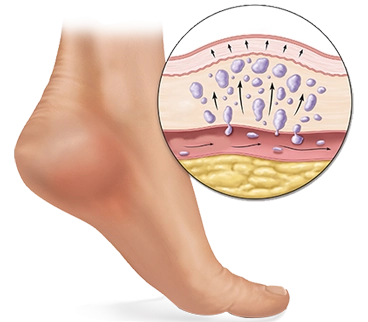


Kidney failure rarely announces itself loudly in the beginning.
Early Symptoms
Constant tiredness and weakness
Poor appetite or metallic taste in mouth
Mild swelling of feet or ankles
Increased urination at night
Advanced Symptoms
Severe swelling of face, legs, and abdomen
Breathlessness due to fluid in lungs
Persistent nausea and vomiting
Severe itching
Confusion or drowsiness
Very little or no urine output
⚠️ Many people dismiss these signs as “normal weakness” or “gas problems,” delaying diagnosis.
What Happens Inside the Body During Kidney Failure

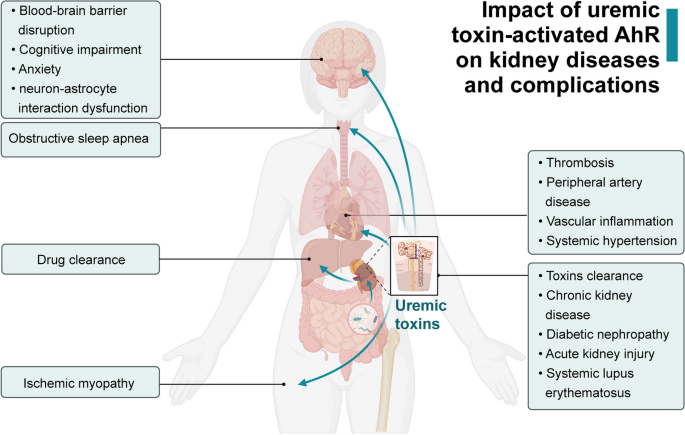
When kidneys stop working properly:
Toxic waste builds up → uremia
Potassium levels rise → dangerous heart rhythm disturbances
Excess fluid accumulates → lungs fill with fluid
Acid builds up → metabolic acidosis
Red blood cell production drops → anemia
The body slowly enters a toxic internal environment, affecting the heart, lungs, brain, and bones.
Complications of Kidney Failure
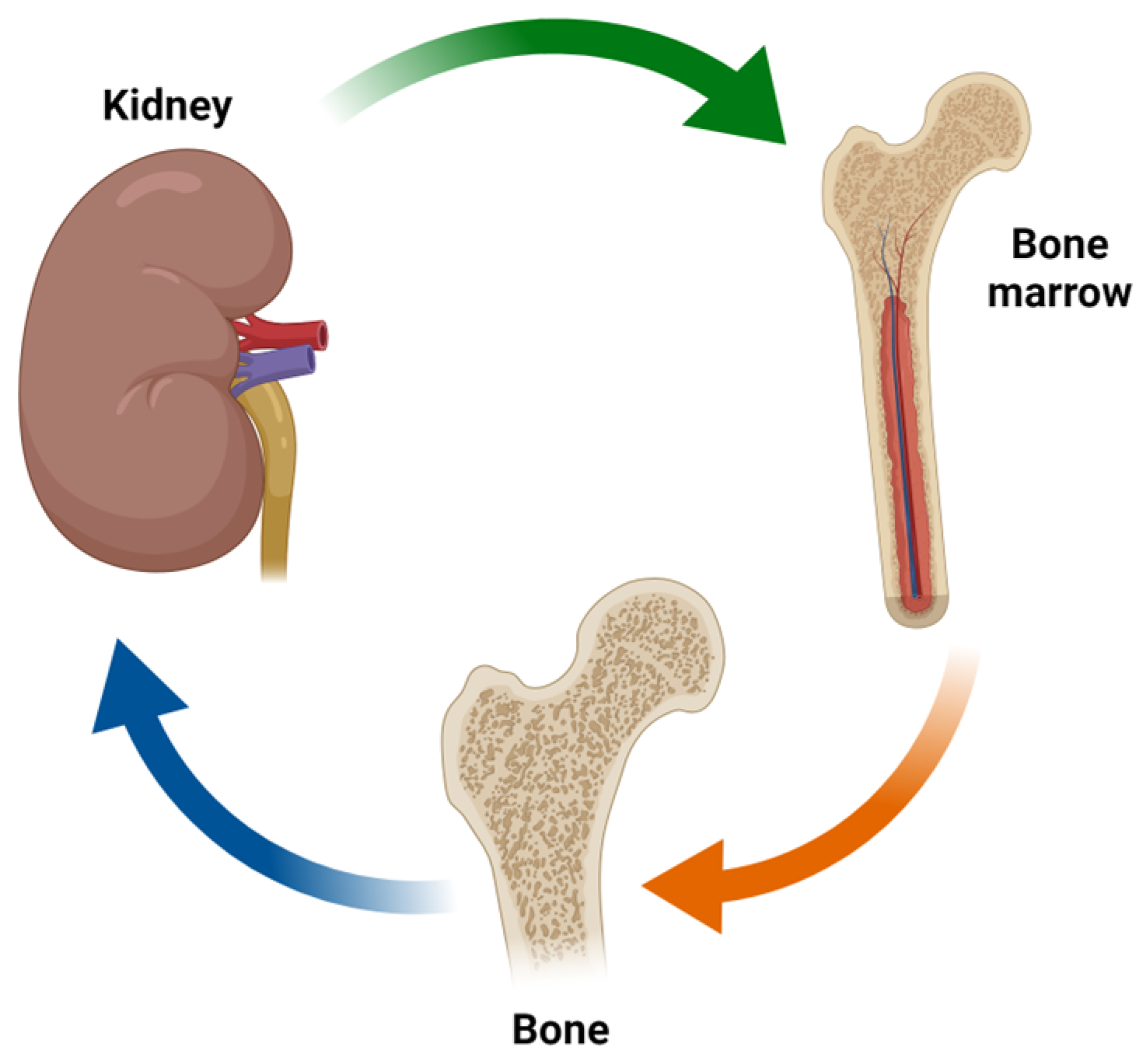
If untreated or poorly managed, kidney failure can lead to:
Hyperkalemia → sudden cardiac arrest
Pulmonary edema → feeling of drowning
Anemia → extreme weakness
Bone disease (renal osteodystrophy)
Uncontrolled hypertension
Frequent infections
Coma and death
Tests & Diagnosis of Kidney Failure

Doctors diagnose kidney failure using a combination of tests:
Blood Tests
Serum creatinine
Blood urea
Electrolytes (potassium, sodium)
Calcium and phosphate
Urine Tests
Protein in urine
Urine output measurement
Microscopic examination
Imaging
Ultrasound (small kidneys usually indicate chronic disease)
What Doctors Do When a Patient Comes to the Hospital
When a patient with kidney failure arrives at the hospital, doctors act quickly:
Check airway, breathing, and circulation
Give oxygen if breathless
Measure urine output immediately
Send urgent blood tests
Perform ECG to detect potassium-related heart changes
Establish IV access
Consult a nephrologist
Start emergency dialysis if required
👉 In severe cases, minutes can save lives.
Treatment of Kidney Failure
Treatment depends on the type, cause, and severity of kidney failure.
Immediate Treatment
Stop harmful medications
Correct dehydration
Lower potassium levels
Treat infections
Control blood pressure
Long-Term Treatment
Diet modification (low salt, controlled protein)
Medications
Dialysis
Kidney transplantation
Dialysis & Kidney Transplant (Simply Explained)
Dialysis
Dialysis is an artificial method to clean the blood:
Hemodialysis: blood cleaned using a machine
Peritoneal dialysis: abdominal lining acts as a filter
Kidney Transplant
Best long-term treatment
Improves survival and quality of life
Requires lifelong medicines
Can Kidney Failure Be Prevented?
In many cases, yes.
Control diabetes strictly
Keep blood pressure in range
Avoid unnecessary painkillers
Stay hydrated
Get regular health checkups
Early care can delay or even prevent kidney failure.
Living With Kidney Failure: A Human Truth
Kidney failure affects more than the body — it affects emotions, relationships, work, finances, and mental health. With the right treatment, education, and support, many people live full, meaningful lives despite kidney disease.
💙 Awareness saves kidneys
💙 Early treatment saves lives


Comments
Post a Comment